
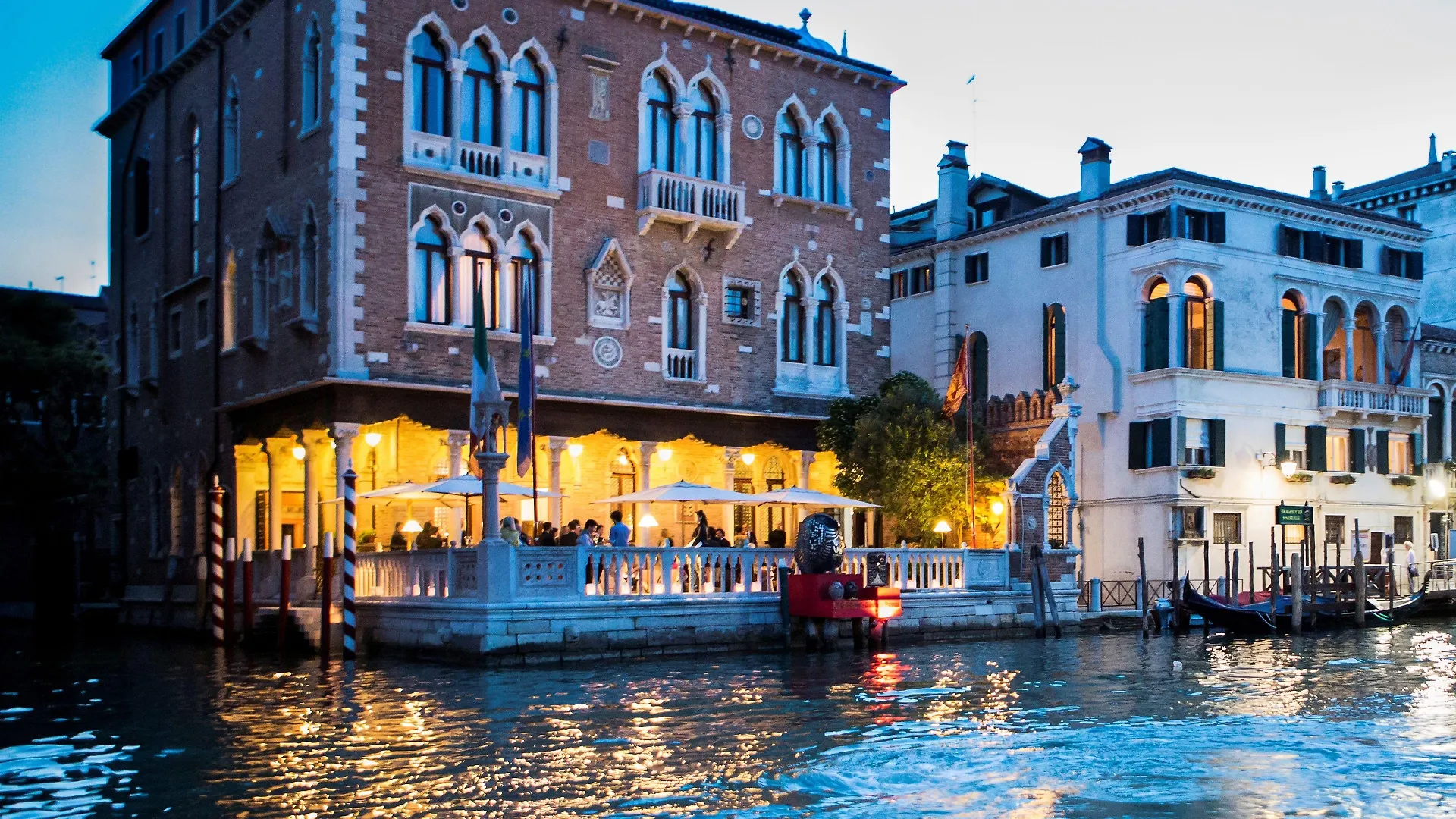
Dorsoduro sits on the southern bend of Venice's Grand Canal, bordered by the Zattere waterfront, the Peggy Guggenheim Collection, and the Basilica di Santa Maria della Salute. For travellers arriving or departing via Venice Marco Polo Airport, this sestiere offers a surprisingly practical base: the Alilaguna Orange Line connects the airport directly to the Cà Rezzonico stop on the Grand Canal, placing you inside Dorsoduro without any luggage-dragging across bridges. The three hotels below span distinct price and style tiers - a Grand Canal palazzo, a design-led boutique, and a modern chain hotel - all within this one district, so you can choose based on transfer comfort, room size, and proximity to Piazzale Roma rather than on neighbourhood alone.
What It's Like Staying In Dorsoduro
Dorsoduro is one of the least tourist-saturated sestieri in Venice: the crowds that flood San Marco and Rialto thin out significantly by the time you cross the Accademia Bridge. Streets like Fondamenta Zattere and Campo Santa Margherita operate at a local rhythm - morning market stalls, aperitivo bars used by students from Ca' Foscari University, and afternoon promenades that feel nothing like the selfie-choked alleys of the city centre. The trade-off is that walking to the San Marco waterfront takes around 20 minutes on foot, which matters if you're managing early-morning airport departures with heavy bags.
For airport connectivity specifically, the Alilaguna Orange Line stops at Cà Rezzonico on the Grand Canal edge of Dorsoduro - a direct water-bus link to Marco Polo Airport with no line changes. This makes the district more airport-practical than its residential character might suggest.
Pros:
* Far fewer crowds than San Marco or Cannaregio - streets stay walkable even in July
* Direct Alilaguna Orange Line link to Marco Polo Airport from Cà Rezzonico stop
* Home to the Peggy Guggenheim Collection, Gallerie dell'Accademia, and the Salute Basilica within walking distance
Cons:
* No land-based taxi access - all luggage movements involve bridges and boats
* Fewer budget dining options compared to Cannaregio or Santa Croce
* Vaporetto lines serving Dorsoduro are slower than routes through the Grand Canal centre at peak hours
Why Choose Airport-Connected Hotels In Dorsoduro
The phrase "airport hotel" in Venice does not mean a property near a runway - it means a hotel positioned for smooth, stress-free transit to and from Marco Polo Airport. In Dorsoduro, that specifically means proximity to the Cà Rezzonico or Zattere vaporetto stops, where the Alilaguna Orange and Blue lines operate. Hotels within 5 minutes' walk of those stops cut your departure-day stress considerably: you board a water-bus with your luggage instead of navigating three canal bridges to Piazzale Roma. The Avani Rio Novo sits at the western edge of Dorsoduro, closest to Piazzale Roma (around 10 minutes on foot), making it the fastest land-to-water transfer point if you prefer the ATVO airport bus over Alilaguna.
Room rates in Dorsoduro for this tier of hotel run noticeably higher than equivalent chain hotels in Mestre or near the airport itself - you are paying for the canal-side context, not just the room. Expect to pay around 40% more for a comparable standard than you would across the lagoon in Mestre, but with the added benefit of spending your actual Venice nights inside the historic city rather than on the mainland.
Pros:
* All three hotels have 24-hour front desks with concierge that can coordinate Alilaguna timetables and water-taxi bookings
* Dorsoduro placement means airport transfers via both Alilaguna boat lines and Piazzale Roma bus are accessible
* Staying in the sestiere eliminates the need for a taxi day-trip into Venice from airport-adjacent hotels
Cons:
* Venice's no-car rule means early-morning airport runs require pre-planned vaporetto or water-taxi logistics
* Luggage storage options during late check-outs are limited to your hotel - there is no public left-luggage near Dorsoduro vaporetto stops
* Premium pricing does not drop significantly even in shoulder season compared to mainland Venice alternatives
Practical Booking & Area Strategy
For airport-focused stays, position matters more than star rating in Dorsoduro. The western stretch along Rio Novo and the canal behind Santa Croce offers the fastest pedestrian route to Piazzale Roma - useful if you are catching the ATVO airport bus at dawn with rolling suitcases. The Cà Rezzonico zone, deeper into the district, sits on the Grand Canal with direct Alilaguna Orange Line access, but involves around 4 canal bridges on foot to reach Piazzale Roma. Choose based on which connection you prefer: water-bus via the canal or land-bus via Piazzale Roma.
The Peggy Guggenheim Collection on Fondamenta Venier dei Leoni, the Gallerie dell'Accademia on Campo della Carità, and the Punta della Dogana contemporary art space are all concentrated within a 10-minute walk of each other in the heart of Dorsoduro - making this district genuinely content-rich between arrival and departure, not just a transit staging point. Book at least 8 weeks ahead for stays during Venice Carnival (February) or the Biennale preview weeks (April-May), when rates spike sharply and rooms in this district fill well before San Marco or Cannaregio. September offers the most practical balance: summer-quality weather with noticeably thinner crowds along the Zattere and Campo Santa Margherita, and modest rate reductions from July-August peaks.
Best Value Stay
The most direct airport connection in Dorsoduro sits at the western boundary of the district, closest to the Piazzale Roma bus terminal.
-
1. Avani Rio Novo Venice Hotel
Show on map


 Check-infrom 15:00 until 23:59Check-outfrom 08:00 until 12:00
Just a few rooms left at the best rate!
from€ 129
Best Premium Stays
The two properties below occupy historic Venetian palazzos on or beside the Grand Canal, offering canal-front positioning with direct Alilaguna Orange Line access at Cà Rezzonico, one stop from the Santa Maria del Giglio terminus.
-
2. Hotel Palazzo Stern
Show on map


 Check-infrom 14:00 until 23:59Check-outfrom 07:00 until 12:00
Hurry – almost gone at this price!
from€ 131
-
3. Ca Maria Adele
Show on map


 Check-infrom 14:00 until 23:59Check-outuntil 12:00
Rooms filling fast – secure the best rate!
from€ 363
Smart Travel & Timing Advice for Dorsoduro
Venice has no genuine low season, but Dorsoduro comes closest to feeling manageable in November and January, when cruise passengers are absent and day-tripper volumes drop sharply - hotel rates in this period can run around 50% lower than July peaks, which makes the premium Grand Canal rooms at Palazzo Stern or Ca Maria Adele considerably more accessible. Carnival week in February is the single most disruptive booking period: rates match or exceed August despite the winter timing, and availability at all three hotels here disappears months in advance. For airport-transit focused trips - arriving from or departing to Marco Polo - a 2-night stay in Dorsoduro allows one full day to cover the Gallerie dell'Accademia, the Peggy Guggenheim Collection, and the Zattere waterfront without rushed logistics. Book the Alilaguna Orange Line ticket in advance online if departing before 9am; early-morning boat services fill with commuters and other travellers, and standing on a crowded water-bus with luggage on a winter morning in Venice is a known friction point. September remains the tactically strongest month: water-bus queues are shorter than in August, temperatures are still warm along the Zattere, and rates begin to ease from their summer ceiling without the fog and acqua alta risk that arrives from October onward.


